
If your circuit breaker keeps tripping, it is shutting off power to protect your home from problems such as circuit overload, short circuits, ground faults, or failing electrical components. When a breaker trips repeatedly or breaker will not stay on, it means something in the circuit is unsafe and you should have a licensed electrician inspect the wiring, the breaker, and possibly the electrical panel.
Important safety disclaimer
Electrical systems can present serious fire and shock hazards. If a breaker trips more than once, if you notice burning smells, discoloration, unusual heat, or popping sounds, or if the main breaker shuts off, stop all troubleshooting immediately. Do not attempt to open the electrical panel or handle internal components. These conditions indicate a potentially dangerous fault that requires prompt evaluation by a licensed electrician.
Understanding Why Breakers Trip
If your circuit breaker keeps tripping, shutting off power in one room or across the whole home, you are dealing with a safety device doing its job. A breaker trips when it detects a problem in the electrical circuit that could cause overheating, fire hazards, or damage to appliances. While it may feel like the breaker is tripping for no reason, there is always a cause. Homeowners sometimes report that the breaker keeps shutting off even when only a few devices are in use, which is a sign that the circuit is responding to a safety risk.
What You Can Try if Your Breaker Keeps Tripping
Before you try the steps below, remember that even simple electrical checks can feel unsafe if you are not comfortable working around power. These suggestions are designed to be safe for most homeowners, but if you have any concerns or feel unsure at any point, it is best to stop and contact a licensed electrician.
- Turn off and unplug devices on the affected circuit to reduce electrical load.
- Reset the breaker by pushing it fully to off, then firmly back to on.
- Plug in or turn on devices one at a time to see which item causes the breaker to trip again.
- Check nearby outlets, switches, or appliances for signs of burning smells, discoloration, or unusual heat.
- Try the suspect appliance on a different circuit to confirm whether the problem follows the device.
- Stop resetting the breaker if it trips immediately, since this usually indicates a short circuit or ground fault.
Schedule an inspection with a licensed electrician if the breaker continues to trip or will not stay on, since the issue may involve faulty wiring, an overloaded circuit, or the need for an electrical panel upgrade.
Common Reasons Your Circuit Breaker Keeps Tripping
Below are the primary causes for a tripped breaker. Overloads, short circuits, and ground faults are the most frequent reasons.
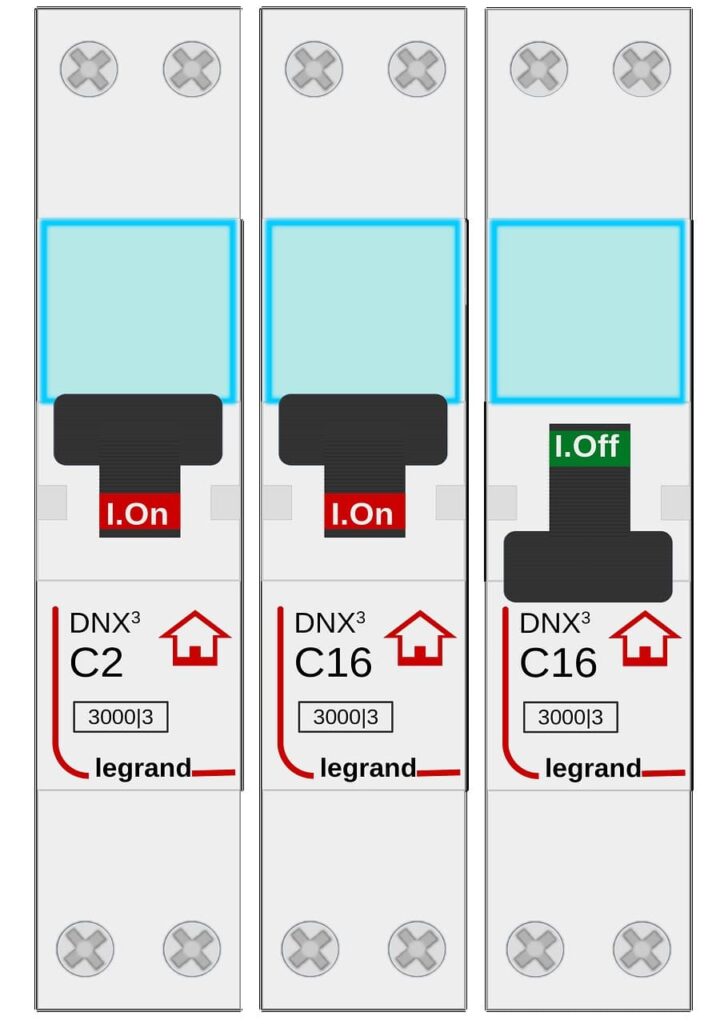
Why Your Main Breaker Keeps Tripping
If the main breaker trips, the problem is more serious. Possible causes include:
- A major overload from HVAC systems or large appliances
- A short circuit somewhere in the home
- Loose or damaged service entrance wires
- A failing main breaker
Because the main breaker controls the entire electrical system, do not attempt repeated resets. Contact a licensed electrician as soon as possible.
Common Breaker Tripping Symptoms and Their Most Likely Causes
|
Symptom observed |
Most likely cause |
Why it happens |
|---|---|---|
|
Breaker trips when several devices run at the same time |
Circuit overload |
The connected devices draw more current than the circuit can safely handle |
|
Breaker trips immediately when reset |
Short circuit or ground fault |
Hot wires contact neutral or ground surfaces which creates a surge of current |
|
Breaker trips when a single appliance turns on |
Faulty or failing appliance |
The appliance has internal damage that creates abnormal current flow |
|
Breaker trips under very light load |
Worn breaker or loose wiring |
Aging components or unstable connections trigger protective shutoff |
|
Breaker trips when AC, microwave, or heater starts |
High start up load or dedicated circuit required |
Large appliances create sudden current spikes |
|
Breaker becomes warm or smells burnt |
Overheating wiring or internal panel damage |
Heat buildup indicates unsafe electrical conditions |
|
Lights flicker before breaker trips |
Voltage instability or loose wiring |
Fluctuating current can trigger protection systems |
|
Main breaker trips and entire house loses power |
Major overload or service fault |
A system wide issue requires immediate professional attention |
FAQs
A circuit breaker trips when it detects an unsafe amount of current flowing through a circuit. The most common causes are circuit overloads, short circuits, and ground faults. These conditions create excessive heat or sudden surges, so the breaker shuts off to prevent fire and equipment damage.
If your breaker keeps tripping, the circuit may be overloaded, an appliance may be failing, wiring may be loose, or the breaker itself may be worn out. Continuous tripping is a warning that something in the system is unsafe and needs professional inspection.
A breaker that trips as soon as you reset it usually indicates a short circuit or a ground fault. These faults allow electricity to take an unintended path and create a surge of current. This situation is hazardous and should be checked by a licensed electrician.
A main breaker that trips is responding to a serious issue affecting the entire electrical system. Common causes include heavy overload from large appliances, faults in major equipment, loose service conductors, or a failing main breaker. Do not keep resetting a tripping main breaker. Contact an electrician right away.
Yes, circuit breakers can wear out over time. Age and repeated tripping can weaken the internal parts, causing the breaker to trip too easily or fail to stay on. When a breaker becomes unreliable, replacement is usually the safest solution.
Unplug the appliance and reset the breaker. If the breaker holds, plug the appliance into a different circuit. If that breaker trips when you use the appliance, the device is likely the cause and may need repair or replacement.
Yes. Frequent tripping indicates an electrical problem that can lead to overheated wiring, shocks, or fire. A tripping breaker is doing its job, but the underlying issue should be found and corrected as soon as possible.
Reduce the number of devices on the circuit, move heavy load appliances to separate circuits, and replace any failing equipment. If the breaker still trips, have an electrician inspect the wiring, the breaker, and the electrical panel to determine whether repairs or an electrical panel upgrade are needed.
Final Thoughts
A circuit breaker that keeps tripping is telling you something important. Whether it is an overloaded circuit, a short, a faulty appliance, or a worn breaker, addressing the root cause protects your home from electrical hazards.
If your breaker keeps shutting off or you are noticing signs of overload, wiring issues, or an aging electrical panel, our licensed electricians can diagnose the problem and restore safe power to your home. We provide detailed inspections, reliable repairs, and professional electrical panel upgrade services to ensure your system can support the demands of modern living.
Contact us today to schedule a service visit and get your electrical system back to dependable performance.