
An electrical outlet that stops working can feel urgent and confusing, especially when it affects appliances, lighting, or multiple rooms at once. In most cases, a non-working outlet signals a tripped breaker, a tripped GFCI outlet, a loose connection, or a worn receptacle that can no longer hold a safe electrical contact. Other times, the issue points to an overloaded circuit or a deeper wiring problem that requires immediate attention from a licensed electrician.
Legal Disclaimer:
This content is for general informational purposes only and does not constitute professional advice. Electrical work is dangerous and may cause serious injury or death if performed improperly. Always consult a licensed electrician and follow all applicable codes. The authors and publisher disclaim any liability for damages arising from the use or misuse of this information.
Before assuming the worst, there are a few safe checks a homeowner can make. This guide explains the most common reasons electrical outlets stop working, how to troubleshoot them safely, and when it is time to call a professional.
Why Is My Outlet Not Working?
When an electrical outlet stops working, the cause is rarely random. Outlets can fail for a number of reasons, and understanding these can help identify whether the issue is minor or a sign of a more serious electrical problem. Here are 7 most common reasons of why outlet doesn’t work.
7 Most Common Reasons Outlets Stop Working
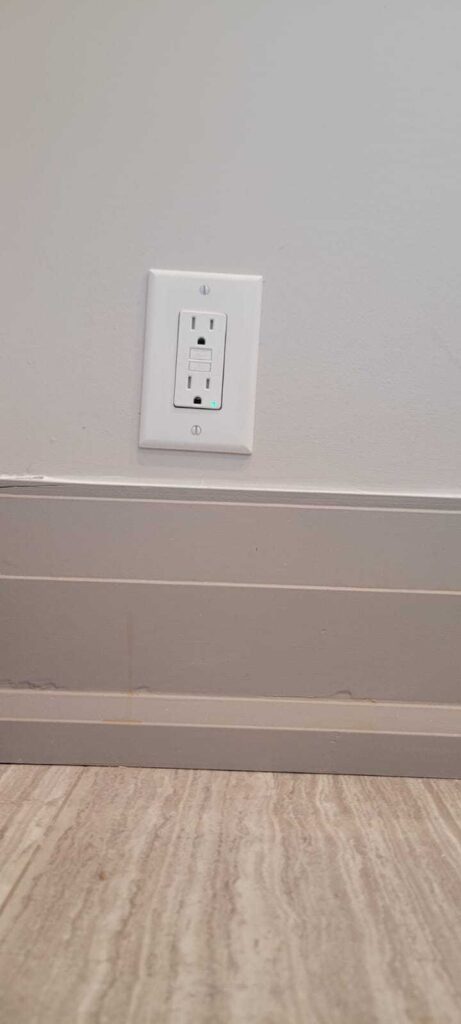
How to Fix an Outlet That Is Not Working: Safe Troubleshooting Steps
Safety Note:
Homeowners should not open electrical panels, remove outlet covers, or handle wiring. These steps are surface level only and involve no exposure to live conductors.
Step 1: Check Other Outlets on the Same Wall or Room
Start by seeing whether the issue is limited to one spot or affects several outlets.
- Test the outlets on the same wall first.
- Then check other outlets in the same room.
If only one receptacle is out, the trouble is usually at that specific outlet.
If multiple outlets are dead, the cause may be at the breaker, a GFCI, or a wiring issue deeper in the circuit.
Step 2: Reset All GFCI Outlets in Nearby Rooms
GFCI outlets protect areas where water or moisture may be present. They often control several outlets in a chain, so when one trips, it can shut down everything downstream.
Common GFCI locations include:
- Kitchen counters
- Bathroom vanities
- Garages
- Outdoor outlets
- Basements and laundry rooms
Press the RESET button firmly. If it clicks, test the outlets that were dead.
If the GFCI will not reset, or trips again right away, moisture, a wiring imbalance, or a faulty device may be involved.
Step 3: Check for a Tripped Breaker
Open only the panel door (do not remove the panel cover) and look for a breaker that sits slightly off-center or not fully in the ON position. A tripped breaker often looks “halfway” between ON and OFF.
To reset it safely:
- Flip the breaker fully to OFF first.
- Then flip it back to ON with steady pressure.
If the breaker won’t reset or trips again immediately, stop troubleshooting and call a licensed electrician. That pattern can indicate a short, damaged wiring, or a circuit carrying more load than it should.
Step 4: Test the Outlet With a Simple Plug-In Device
A lamp or phone charger works well for this test.
- Plug it in and see whether it turns on.
- Wiggle the plug lightly to check for flickering.
If the light or charger turns on and off as you move it, the outlet may have intermittent power, worn internal contacts, or a loose connection.
Step 5: When the Outlet Has Power but Does Not Work
Sometimes an outlet has power feeding it, but nothing plugged into it will run. This usually signals:
- Internal damage inside the receptacle
- Loose wiring that has weakened the contact points
- A worn outlet that can no longer hold a stable electrical connection
When an outlet has power but is not working, replacement is usually required, and the rest of the circuit should be inspected for similar issues.
When to Stop Troubleshooting and Call an Electrician
Stop testing and call a licensed electrician right away if:
- The breaker keeps tripping
- The outlet feels hot or makes a buzzing sound
- There are scorch marks on the cover
- A burning odor is present
- Several rooms or walls lose power at once
Electrical problems fall under safety-critical topics, and multi-room failures or signs of heat should always be handled by a professional.
Single Outlet Not Working vs Multiple Outlets Not Working: What Each Means
Troubleshooting becomes much clearer once you know whether you’re dealing with a single outlet not working or multiple outlets not working. Each scenario points to a different pattern, and understanding that pattern helps you identify whether the problem is small or part of a larger electrical issue.
When Only One Outlet Stopped Working
A single outlet not working usually points to a localized problem. Common causes include:
- Outlet failure from age or worn internal contacts
- Loose wiring inside the receptacle
- A switch-controlled outlet that was accidentally turned off
- A new outlet not working due to an incorrect connection, reversed wires, or a missed pigtail
If the rest of the room has power and the breaker hasn’t tripped, the issue is almost always isolated to that single spot.
When Multiple Outlets on One Wall or Room Are Not Working
When multiple outlets not working appear in the same room or along one wall, the issue often comes from how the circuit is wired. Most homes use daisy chain wiring, which means one outlet feeds the next in a sequence. If an outlet in the chain develops a loose connection or internal failure, every outlet downstream can lose power.
Other likely causes include:
- A tripped GFCI elsewhere in the home
- A tripped breaker
- A possible open neutral, which can cut power to several outlets at once and requires immediate professional diagnosis
This type of outage is rarely random and usually points to a failure somewhere along the wiring run.
When All Outlets in Part of the House Are Not Working
If an entire section of the home, such as several rooms, a floor, or one side of the house loses outlet power, the issue is more serious.
Possible causes include:
- A major circuit failure affecting the entire branch
- A breaker that appears on but is malfunctioning internally
- A neutral bar or bus connection problem inside the panel
- A wiring fault that interrupts power beyond a single outlet or room
When multiple rooms lose power at once, do not continue testing. This level of failure can involve panel issues or damaged wiring, both of which require urgent attention from a licensed electrician.
|
Situation |
What It Usually Means |
Most Likely Causes |
Severity |
What to Do |
|---|---|---|---|---|
|
Only one outlet not working |
Localized issue at that outlet |
Worn-out receptacle, loose wiring, switch-controlled outlet, incorrect wiring on a new outlet |
Low–Moderate |
Check for a switched outlet. If others work, the outlet likely needs repair or replacement. |
|
Multiple outlets on one wall or in one room not working |
Failure somewhere along the same circuit |
Tripped GFCI, tripped breaker, loose connection in a daisy-chained outlet, possible open neutral |
Moderate |
Check GFCIs and breaker. If power doesn’t return, stop and call an electrician. |
|
Outlets not working in multiple rooms or part of the house |
Larger circuit or panel-level problem |
Branch circuit failure, faulty breaker, neutral or bus connection issue, wiring fault |
High |
Do not continue troubleshooting. Contact a licensed electrician immediately. |
Room Specific Outlet Failures and What They Mean
Different rooms follow different electrical rules, and when an outlet stops working in a specific area, the cause often matches the room’s typical wiring layout and appliance load. Here’s what common room-by-room failures usually point to.
Kitchen Outlets Not Working
Kitchens have strict GFCI requirements because of their proximity to water. Any section of counter space must be protected by GFCI, and many homes have multiple GFCIs controlling various kitchen runs.
When kitchen outlets not working becomes an issue, the usual causes include:
- A tripped GFCI protecting the counter outlets
- Heavy appliance demand, such as kettles, toasters, air fryers, or microwaves running on the same circuit
- One GFCI shutting down several kitchen plugs at once
- A breaker tripping from repeated high-draw appliances
Because kitchens rely on several dedicated circuits, a failure here often comes from either a protective device tripping or an overloaded line.
Bedroom Outlets Not Working
When bedroom outlets stop working, the cause is often simpler and tied to how the room is wired.
Typical reasons include:
- Switch-controlled half receptacles, common in bedrooms, where a wall switch controls only the top or bottom half of the outlet
- Space heaters, portable AC units, or window AC units overloading the circuit
- Loose wiring at one outlet cutting off the next in the chain
Bedrooms can also share circuits with other low-demand rooms, so a failure in an adjacent area may affect them as well.
Outdoor Electrical Outlet Not Working
An outdoor electrical outlet not working almost always ties back to protection against water exposure.
Likely causes include:
- Moisture trips, often triggered after rain, snow, or humidity entering the box
- Weather damage, such as cracked covers, loose gaskets, or corroded terminals
- A tripped GFCI that protects the outdoor run, which may be located in the garage, basement, or laundry room
Outdoor outlets must be GFCI protected by code, so when one stops working, checking every GFCI nearby is the first step. Because these receptacles face the elements, any persistent moisture-related failure should be checked by an electrician.
FAQs
This usually happens because of a tripped breaker, a blown fuse, or a GFCI outlet that needs to be reset. If none of those apply, it may be a wiring or receptacle issue that needs professional repair.
Outlets on one wall may stop working due to a loose wire in a connected outlet, a bad receptacle affecting the circuit, or a breaker linked to that area being tripped.
Random power loss typically points to loose wiring, worn outlets, overloaded circuits, or moisture-related GFCI trips.
Multiple dead outlets often mean a tripped breaker, a failed GFCI controlling several outlets, or a wiring fault deeper in the circuit.
This usually means the outlet has power but the neutral wire is disconnected, the polarity is reversed, or the internal contact is worn out. All of these can prevent devices from receiving stable power.
A GFCI that won’t reset may be detecting moisture, a wiring imbalance, a faulty connected device, or internal failure. If it won’t stay reset, it should be inspected by a licensed electrician.
If you’ve already checked the breaker and GFCI outlets and the problem continues, or if multiple outlets are involved, it’s time to call a licensed electrician.
Know the Cause, Act Safely, and Protect Your Newmarket Home
Most outlet problems come down to tripped breakers, faulty GFCI outlets, or loose wiring — all of which can affect your safety if left unresolved. Basic checks like resetting a breaker or testing another outlet are fine for homeowners, but anything beyond that should be handled by a licensed electrician.
If outlets in your Newmarket home still aren’t working or the issue keeps coming back, don’t take chances. Schedule a professional electrical inspection today to keep your home safe, code-compliant, and fully powered.