
As electric vehicles (EVs) gain popularity in Newmarket, Ontario, more homeowners are turning to home charging solutions for convenience and cost savings. Homeowners in Newmarket considering EV charger installation should be aware of several important steps and considerations unique to their region.
If you’re thinking about installing an EV charger at home, this guide breaks down everything you need to know—from charger types and permits to local regulations and cost-saving incentives.
Why Install an EV Charger at Your Newmarket Home?
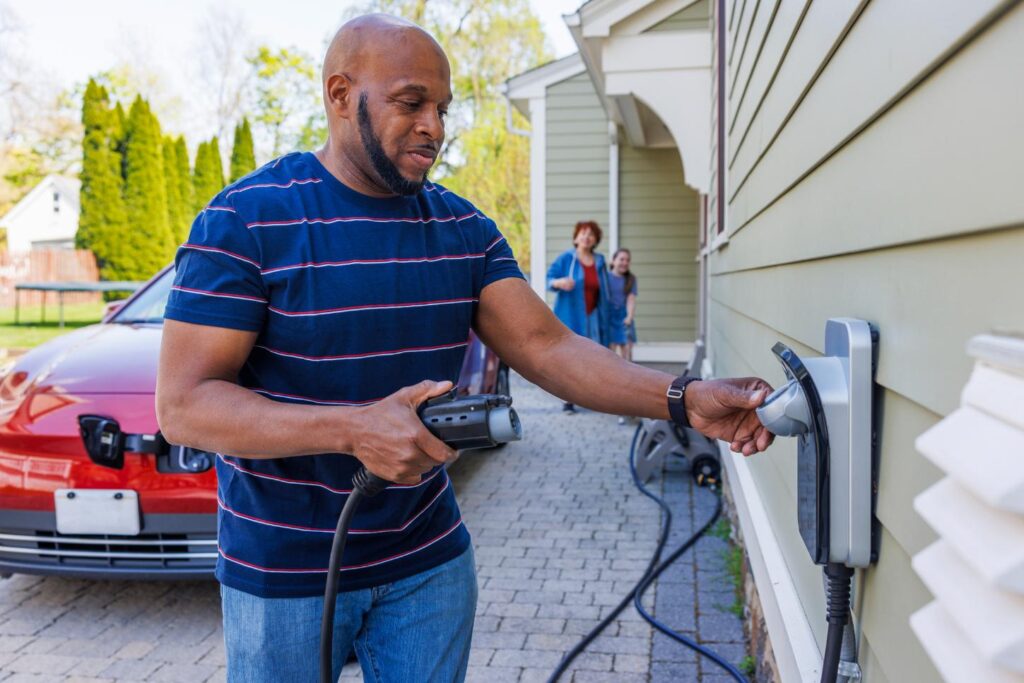
Over 80% of EV owners in Canada charge their vehicles at home. It’s the most convenient, cost-effective, and stress-free way to keep your car powered up. Rather than relying on public infrastructure, you can simply plug in your vehicle at night and wake up ready to go.
Home charging also gives you more control over electricity rates, especially if you use a smart charger during off-peak hours.

Level 1 vs Level 2 Chargers: What’s the Difference?
There are two main types of chargers designed for home use:
|
Charger Type |
Voltage |
Charging Speed |
Ideal For |
|---|---|---|---|
|
Level 1 |
120V |
~8 km/hour |
Low daily driving, plug-in hybrids |
|
Level 2 |
240V |
~30–50 km/hour |
Daily EV drivers, full electric vehicles |
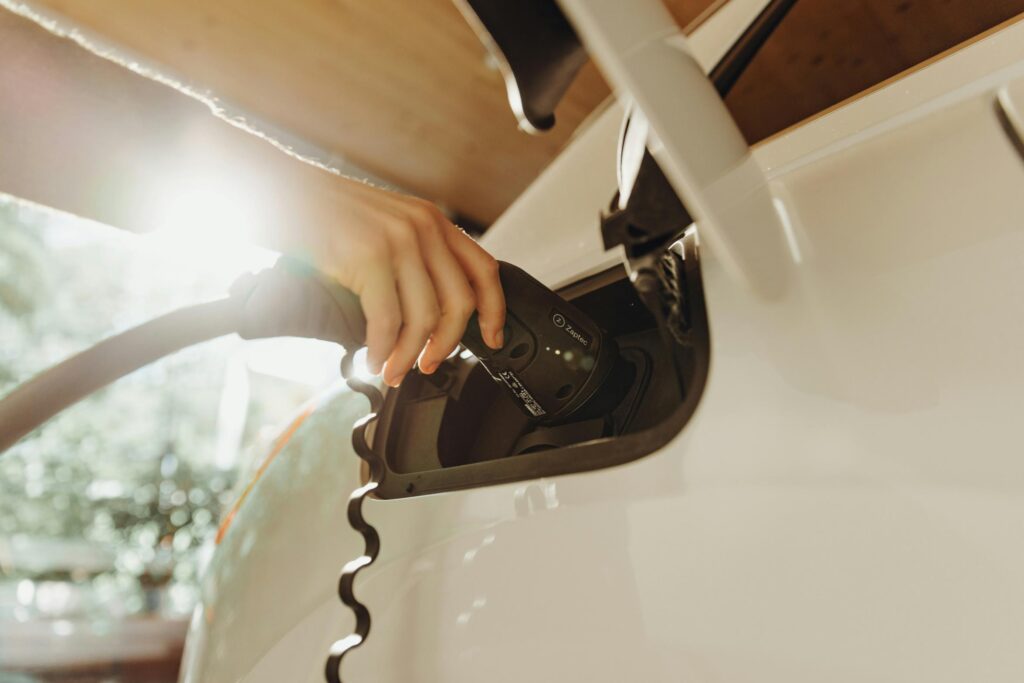
Level 1 chargers use a standard household outlet, but charging is very slow. For most EV owners, especially those who drive frequently, a Level 2 charger is the better long-term solution. Level 3 chargers (DC fast chargers) are not suitable for home use—they are designed for commercial or highway stations only.
Which EV Charger Is Right For Me?
To choose the right charger for your vehicle, ask following questions:
- Where will you park? If your vehicle is outdoors, choose a charger rated for weather resistance.
- How far do you drive daily? If you’re commuting more than 40–50 km per day, Level 2 is likely best.
- Need smart features? Some models allow you to schedule charging during cheaper electricity periods.
- Portable or wall-mounted? Portable chargers are plug-in units; wall-mounted systems often require professional installation
There are multiple EV Charger to choose from. Check Top EV Chargers for 2025 and consult with Newmarket Electrician about which charger will fit your needs best.

EV Charger Costs in Newmarket
Installation costs vary by home setup (e.g., panel capacity, wiring distance). Here’s a rough breakdown of what you might expect to pay on averages for Ontario in 2025:
|
Item |
Estimated Cost |
|---|---|
|
Level 2 Charger Unit |
$600 – $1,200 |
|
Electrical Permit (ESA) |
$75 – $125 |
|
Installation Labour |
$500 – $1,000 |
|
Panel Upgrade (if needed) |
$1,200 – $2,500 |
|
Total Range |
$800 – $4,000+ |
A licensed electrician will be able to provide you with an exact quote for EV charger Installation after the on-site visit.
How EV Charger Installation Works?
The process of EV Charger installation typically involves evaluating the home’s electrical system, obtaining required permits, selecting the right type of charger and location, and working with a licensed electrician to ensure a safe and compliant installation.
A typical installation by a certified electrician includes:
- New dedicated wiring from the electrical panel to the charger site
- Mounting and connecting the charging station
- Full system testing (including safety features and network connectivity for smart chargers)
- Providing instruction on operating the equipment
Local Permits and Codes in Newmarket for EV chargers
In Newmarket, homeowners must obtain an electrical permit from the Electrical Safety Authority (ESA) before beginning any EV charger installation. This permit verifies that the installation will comply with the Ontario Electrical Safety Code, which is the governing standard for such work across Ontario, including Newmarket
Rebates and Incentives: Save Up to 50% in Ontario
Installing an EV charger at home or in a multi-unit building can qualify you for significant rebates—but only if you meet the criteria. Incentive programs in Ontario and across Canada frequently change, so it’s important to check the latest availability before installation begins. Below are some of the most relevant programs for homeowners, condo residents, and property managers in the Newmarket area.
- Federal ZEVIP Pause: Natural Resources Canada’s program is paused as of January 2025, but we recommend to check for reopenings.
- Green Economy Canada Incentive: Up to 50% rebate ($100K max) for businesses/multi-res; homeowners in condos may qualify via shared programs.
Always check if a rebate requires pre-approval before installation.
Special Considerations for Condo and Townhouse Owners
If you live in a multi-unit residential building (MURB), installing a charger is more complex. You’ll need written approval from your condo board or property manager, and the process may involve:
- Electrical load assessments for the building
- Shared infrastructure upgrades
- Coordinated installations for multiple units
Installing an EV charger in a condo or townhouse requires extra planning, but it’s absolutely achievable with the right approach. By working closely with your property manager and ensuring all ESA code requirements are met, you’ll not only secure approval but also set up a safe, future-ready charging solution for your unit.
Always check if a rebate requires pre-approval before installation.

Why You Must Hire a Licensed Electrical Contractor (LEC)
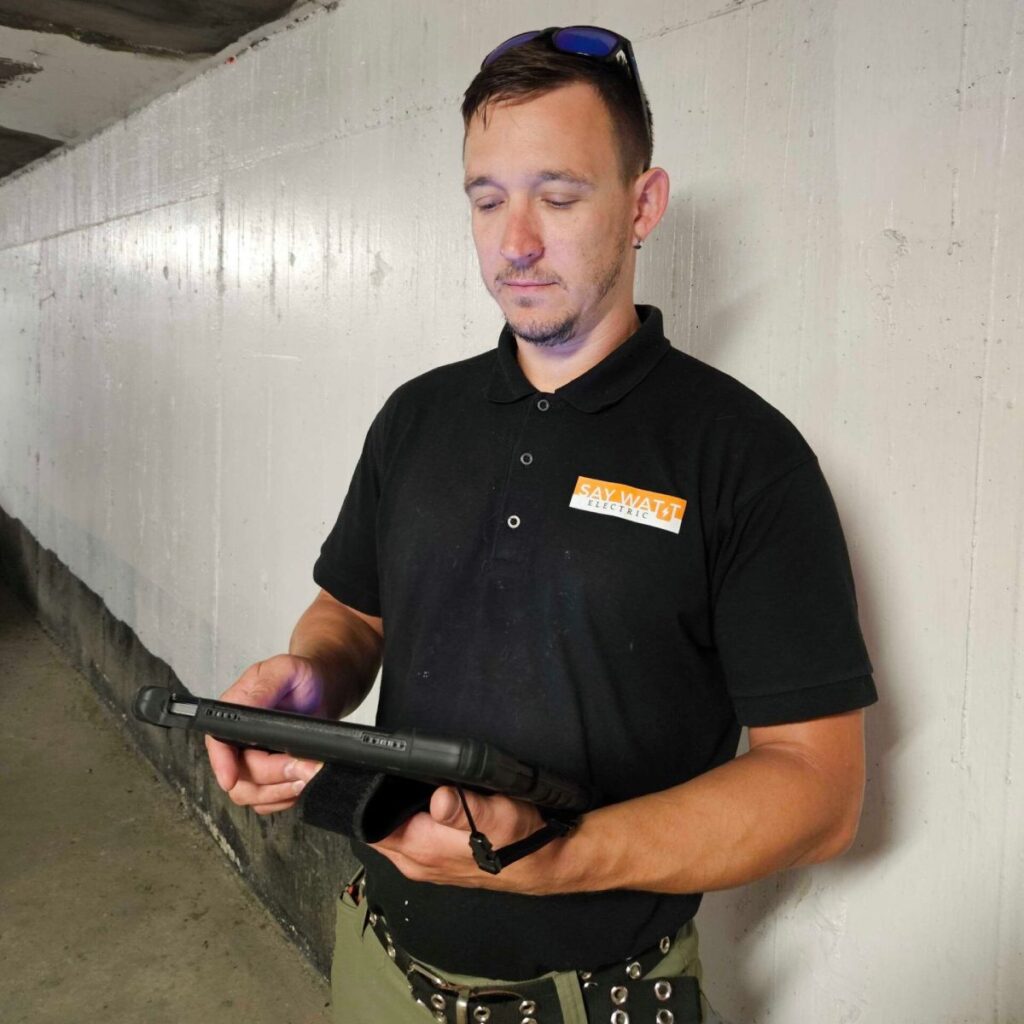
In Ontario, it is the law that only a Licensed Electrical Contractor (LEC) with an ECRA/ESA license can install an EV charger in your home.
An LEC will:
- Assess your home’s electrical panel capacity
- File the required electrical permit
- Install the charger safely and to code
- Provide a Certificate of Acceptance after ESA inspection
Hiring a Licensed Electrical Contractor is not just about compliance, it’s about protecting your home, your vehicle, and your safety. With a certified LEC, you can trust that your EV charger installation meets Ontario’s strict ESA standards and is built to last.
FAQs
Yes. In Ontario, all EV charger installations must be covered by an ESA electrical permit (also called a notification of work). This ensures the job complies with the Ontario Electrical Safety Code and triggers an inspection once the installation is complete.
Most residential installs take 3–6 hours. Panel upgrades may extend the timeline.
Yes. They’re an attractive upgrade for buyers, especially in markets with high EV adoption.
No. In Ontario, all EV charger installations must be performed by a Licensed Electrical Contractor.
Not always. Some require pre-approval, and eligibility depends on the property type and the program.
Portable chargers plug into a standard 120V household outlet and are easy to move or take with you. However, they charge slowly and are better suited for light use or plug-in hybrids. Wall-mounted chargers typically require a 240V outlet and must be installed by a Licensed Electrical Contractor. While installation costs are higher, they offer much faster charging—making them ideal for daily EV drivers who need reliable overnight charging.
Making EV Charging Easier for Newmarket Residents
Installing an EV charger at home is one of the smartest investments you can make as an electric vehicle owner. It offers control, savings, and convenience, especially in a growing community like Newmarket. But proper installation matters. Work with a licensed professional and follow local regulations to ensure a safe, code-compliant setup that protects your home and vehicle.